


Green Infrastructure & Stormwater Management Solutions for Pennsylvania Commercial Properties
If your Pennsylvania commercial property faces standing water, erosion, or runoff issues, you’re not alone. Heavy spring rains, aging drainage systems, and worn infrastructure create flooding and property damage that cost thousands annually. Gras Lawn specializes in green infrastructure and stormwater management solutions designed for commercial properties across Pennsylvania, from Pittsburgh to Philadelphia. Whether you manage office parks, retail centers, industrial facilities, or multi-unit commercial complexes, improper drainage can damage your reputation, create liability, and strain maintenance budgets.
Green infrastructure isn’t just environmental responsibility. It’s a smart investment. Rain gardens, permeable pavement, detention basins, and bioswales reduce maintenance headaches, prevent liability, and improve your property’s appeal to tenants and clients. Gras Lawn has built sustainable drainage systems for office parks, retail centers, and industrial properties throughout Pennsylvania, Delaware, New Jersey, Connecticut, Maryland, and Florida. Our approach combines environmental stewardship with practical property management, delivering results that show on your balance sheet.
What Is Green Infrastructure and Why It Matters for Commercial Properties
Green infrastructure uses natural or engineered systems to manage stormwater where it falls, rather than directing it into traditional storm drains and sewer systems. Instead of overwhelming gutters and aging drainage pipes, water soaks into the ground, filters through soil layers, and recharges groundwater. This decentralized approach mimics natural water cycles, reducing strain on municipal infrastructure while solving problems at their source.
For commercial properties, this approach solves real, measurable problems:
- Flooding prevention: Heavy downpours won’t pool in parking lots, service areas, or building entrances. Your property stays dry and accessible, even during intense rain events.
- Liability reduction: Dry properties mean fewer slip-and-fall incidents, vehicle damage claims, and tenant complaints. Insurance carriers often offer premium discounts for properties with managed stormwater systems.
- Reduced maintenance costs: You spend significantly less time dealing with erosion damage, muddy runoff, sediment cleanup, and gutter clearing. Annual maintenance savings typically offset system costs within 5-7 years.
- Lower stormwater fees: Many municipalities offer tax incentives or stormwater fee reductions (sometimes 20-40%) for properties that install green infrastructure. Some Pennsylvania cities offer rebates for rain garden installation.
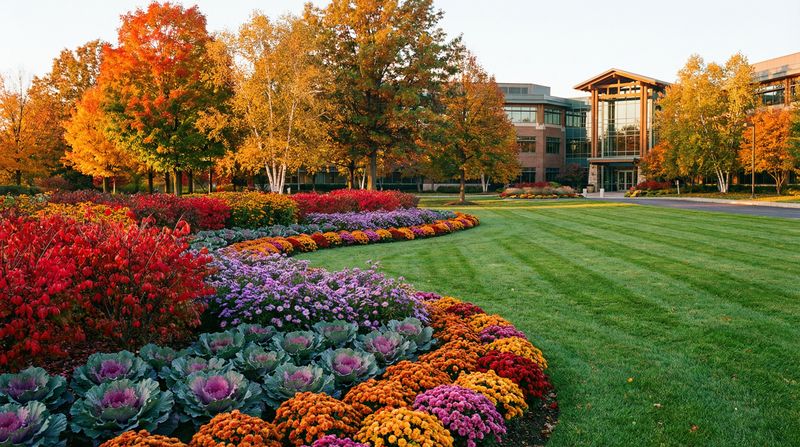
- Better aesthetics and tenant appeal: Rain gardens and native plantings look professional and attractive year-round. Properties with landscaping improvements attract higher-quality tenants and command premium rental rates.
Pennsylvania’s climate makes green infrastructure essential. The state receives 40+ inches of rain annually, concentrated heavily in spring (March-May) and fall (September-November). These seasons bring frequent intense storms, sometimes dropping 2-3 inches of rain in a single event. A single heavy rain can cause thousands in damage if your stormwater system isn’t properly sized and designed. Gras Lawn’s stormwater solutions ensure your property handles these rainfall patterns confidently, year-round, protecting your bottom line and maintaining property value.
Rain Gardens and Bioswales: Core Green Infrastructure Elements
Rain gardens are shallow, planted depressions engineered to collect and filter runoff from roofs, parking lots, and hardscapes. Unlike traditional drainage systems, they look natural and support native plants and pollinator-friendly vegetation. Typical rain gardens are 4-12 inches deep and feature carefully selected native plants that thrive in both wet and dry conditions.
The design process is critical. Gras Lawn assesses your property’s soil composition, slope, and rainfall patterns to determine optimal placement and sizing. A properly designed rain garden infiltrates water at 1-2 inches per hour, allowing even heavy downpours to drain within 24 hours. This prevents mosquito breeding while ensuring water reaches groundwater rather than overwhelming storm drains.
Bioswales are vegetated channels that slow water flow and allow infiltration. They work especially well along parking lot edges, building perimeters, and service drives. Both rain gardens and bioswales provide multiple benefits:
- Filter pollutants (sediment, oils, metals, nutrients) before water enters groundwater
- Eliminate standing water that breeds mosquitoes and creates maintenance problems
- Require minimal maintenance once established (weeding, mulch refresh, occasional sediment removal)
- Add visual landscape value and provide habitat for pollinators and beneficial insects
- Reduce strain on municipal stormwater systems during peak rainfall events
For a Pennsylvania office park or retail center, a well-designed rain garden can manage runoff from 5,000+ square feet of hardscape. Bioswales spanning 50+ feet can handle runoff from parking lots or roof edges. Gras Lawn designs these systems to fit your property’s exact layout and soil conditions, ensuring they perform reliably during 100-year storm events (the most severe rain anticipated in a century).
Permeable Pavement: Sustainable Parking and Hardscaping Solutions
Traditional asphalt and concrete are impermeable. They shed water directly into storm systems, creating flooding, accelerating erosion, and overwhelming municipal infrastructure. Permeable pavement alternatives allow water to infiltrate through the surface, reducing runoff by 80-90% compared to traditional surfaces.
Options include:
- Permeable asphalt: Looks and performs like standard asphalt but has larger aggregate gaps allowing water infiltration. Cost is comparable to traditional asphalt when installed at scale.
- Porous concrete: Durable, ADA-compliant, and widely used in Pennsylvania. Provides 20+ years of service life with proper maintenance and subbase design.
- Permeable paving grids: Plastic or recycled material grids filled with grass or gravel, ideal for overflow parking or service areas with lighter traffic. Low cost and eco-friendly.
- Recycled plastic pavers: Eco-friendly option for low-traffic areas, pathways, and decorative applications. Often made from reclaimed plastic or composite materials.
For commercial properties, permeable pavement typically costs 10-20% more upfront than traditional surfaces. However, the investment pays dividends through reduced stormwater fees (Pennsylvania municipalities increasingly offer credits), extended pavement life (less hydroplaning damage and freeze-thaw degradation), and reduced maintenance. Many Pennsylvania municipalities now require permeable surfaces in new development or parking lot renovation projects, particularly in sensitive watersheds.
Gras Lawn handles every phase: engineering design, installation with proper base preparation, infiltration testing, and long-term maintenance. We ensure correct subgrade preparation, proper drainage paths, and vegetation management for hybrid systems, guaranteeing performance and durability.
Detention Basins and Retention Ponds: Larger-Scale Stormwater Management
For larger commercial campuses, office parks, or industrial properties, retention or detention basins become necessary components of a comprehensive stormwater strategy. These managed water features serve dual purposes: stormwater containment during heavy rain and landscaping features that enhance property aesthetics and value.
Understanding the difference is important:
- Detention basins: Temporary storage areas that fill during heavy rain and drain slowly into underlying soil or municipal storm systems. Water is typically gone within 24-48 hours. They’re common in commercial areas with high impervious surface.
- Retention ponds: Permanent water features that maintain water year-round. They support native aquatic plants, provide wildlife habitat, and create attractive landscape focal points. Often used as amenities on office parks and commercial campuses.
Pennsylvania regulations require proper design based on local precipitation data, soil composition, and site hydrology. A detention basin on your property must be engineered to handle a 25-year storm event (intense rainfall expected once every 25 years) without overflowing into adjacent properties. Incorrect sizing or poor maintenance leads to property damage claims, regulatory violations, and municipal citations that can cost tens of thousands.
Gras Lawn’s process includes detailed site assessments, hydrologic modeling using Pennsylvania precipitation data, design to meet Pennsylvania DEP and local standards, installation with proper grading and compaction, and establishment of native vegetation (sedges, rushes, water lilies, native ferns). We also manage long-term maintenance including sediment removal, vegetation health monitoring, and structural inspection to ensure systems perform reliably for 20+ years.
The Critical Role of Native Plantings and Permeable Landscaping
Green infrastructure only works if vegetation is healthy and properly maintained. Native Pennsylvania plants don’t just survive in rain gardens and bioswales; they thrive. Native species have deep root systems that stabilize soil, prevent erosion, and actively participate in water infiltration and filtration. They naturally resist pests and diseases that plague ornamental imports, reducing pesticide and maintenance costs.
For commercial properties, strategic native plantings also deliver tangible benefits:
- Create visual interest and seasonal color changes that enhance property aesthetics during all four seasons
- Require significantly less fertilizer, pesticide, and supplemental water (lower maintenance and chemical costs)
- Resist pest and disease problems better than ornamental imports, reducing treatment expenses
- Provide habitat value that attracts pollinators and beneficial insects, supporting ecosystem health
- Enhance your sustainability story, important for tenant recruitment and brand reputation
Gras Lawn recommends proven species for Pennsylvania conditions: black-eyed Susan, New York ironweed, and native sedges for rain gardens. For bioswales, joe-pye weed and native ferns perform excellently. Larger spaces benefit from understory trees like serviceberry and dogwood, which add structure and seasonal interest. Your commercial property becomes a showcase of environmental stewardship while managing water efficiently and reducing ongoing maintenance costs.
Maintenance and Long-Term Care for Green Infrastructure Systems
Green infrastructure requires ongoing care, but significantly less than traditional drainage systems. The key is consistent, preventive maintenance that keeps systems performing at design capacity.
Common maintenance tasks include:
- Spring cleanup: Remove winter debris (leaves, branches, sediment), inspect for erosion damage or compaction, verify drainage is functioning
- Weeding and vegetation management: Keep invasive and non-native plants from overrunning rain gardens and bioswales. This prevents clogging and maintains aesthetic appearance.
- Vegetation trimming and pruning: Maintain sight lines for safety, prevent overgrowth that blocks water flow, and keep plants healthy and vigorous
- Sediment removal: Annually, rake accumulated sediment from rain gardens that collects pollutants from runoff
- Mulch replenishment: Top up mulch layers as they naturally decompose, maintaining moisture retention and suppressing weeds
- Seasonal inspections: Check for compaction (especially in high-traffic areas), damage from weather or vehicles, and any signs that infiltration is slowing
- Soil testing: Periodic soil analysis ensures adequate infiltration capacity and healthy microbial communities
Gras Lawn provides maintenance contracts tailored to your property’s specific size and system complexity. A typical commercial property with rain gardens and bioswales requires quarterly or seasonal visits. We monitor plant health, verify water infiltration is working at design capacity, handle all repairs, and adjust maintenance based on seasonal conditions and weather patterns.
Neglecting maintenance quickly voids system benefits. A clogged rain garden becomes a muddy eyesore that breeds mosquitoes and loses infiltration capacity. A bioswale strangled by weeds stops filtering water effectively. A detention basin filled with sediment loses storage capacity. Regular, professional care keeps your system performing, looking professional, and protecting your property investment.
Frequently Asked Questions About Green Infrastructure and Stormwater Management
How much does green infrastructure cost for a commercial property?
Costs vary significantly by project scope, property size, and system complexity. A small rain garden designed for a 5,000 sq ft catchment area typically costs $2,000-$5,000 installed. Larger projects with multiple bioswales, detention basins, or permeable pavement installations cost $15,000-$50,000+. However, many Pennsylvania properties qualify for municipal fee reductions or state grants that offset 20-40% of costs. Gras Lawn helps identify available incentive programs and often finds funding opportunities that reduce net costs. Request a free site assessment for an accurate estimate specific to your property.
How long does green infrastructure last and what is the expected lifespan?
Well-designed and properly maintained rain gardens, bioswales, and detention basins last 20+ years, often longer. Permeable pavement typically lasts 15-20 years, comparable to traditional pavement when properly installed and maintained. Native plantings benefit from annual maintenance but establish deep root systems that strengthen over time, improving performance year after year. Regular inspections, sediment removal, and vegetation management extend system service life significantly, often to 25+ years. This makes green infrastructure a sound long-term investment.
Can green infrastructure systems handle harsh Pennsylvania winters effectively?
Yes, absolutely. Native plants go dormant in winter, but their root systems remain active underground, allowing infiltration even when the ground surface is frozen. Rain gardens and bioswales continue functioning during fall and spring rain events when water management is critical. Permeable pavement performs well in snow and ice conditions, often performing better than traditional pavement due to reduced freeze-thaw cycling. Regular maintenance prevents ice dam formation that could temporarily impair drainage during extreme cold snaps. Systems are engineered specifically for Pennsylvania’s climate cycles.
Will green infrastructure completely eliminate standing water on my property?
For typical commercial properties and normal rainfall amounts, yes. However, 100-year storm events (extremely intense downpours) may temporarily create shallow pooling in designed detention areas. This is intentional and by design, allowing the system to function as intended without overflowing onto adjacent properties. Any pooled water drains within 24-48 hours as designed. Gras Lawn sizes all systems to handle your property’s specific precipitation patterns, soil infiltration rates, and local regulations, ensuring reliable performance under all normal conditions.
How do I know if my Pennsylvania commercial property actually needs green infrastructure?
Common signs include: standing water after rain, visible erosion in landscaped areas, flooding in parking lots or low spots, persistently muddy drainage areas, high municipal stormwater fees, tenant complaints about wet conditions, or damage to hardscape or foundation. If you’re unsure whether your property would benefit, request a free site assessment from Gras Lawn. We evaluate your property’s drainage patterns, soil composition, and regulations, recommend solutions appropriate to your situation, and provide honest cost estimates. Many property managers are surprised to learn about available incentive programs and the ROI potential of green infrastructure.
Why Choose Gras Lawn for Your Pennsylvania Green Infrastructure Project
Gras Lawn has successfully managed stormwater systems across Pennsylvania, New Jersey, Connecticut, Delaware, Maryland, and Florida for over a decade. We don’t just install systems and disappear. We partner with clients to design systems specific to your property’s unique soil composition, topography, and local regulations. Our team includes certified landscape professionals who understand Pennsylvania DEP requirements, navigate complex municipal codes, and apply best practices for native plantings and drainage engineering.
For your commercial property, choosing Gras Lawn means:
- Expert design backed by local knowledge: Systems that handle your actual precipitation patterns and site conditions, not generic cookie-cutter solutions pulled from a template
- Regulatory compliance and permitting: We navigate Pennsylvania permitting, ensure local code compliance, and manage all documentation so your project passes inspection and avoids costly corrections
- Quality installation with proven methods: Proper grading, infiltration testing, vegetation establishment, and inspection protocols ensure systems perform as designed
- Ongoing maintenance and support: Seasonal care and professional management keep your system performing optimally and looking professional year-round
- Partnership and transparency: We communicate clearly about progress, costs, and maintenance needs. You get honest advice about what will work best for your property.
Contact Gras Lawn today for a free site assessment and custom green infrastructure proposal. Let us help you turn stormwater from a liability into an asset.