


Florida’s subtropical climate brings intense summer rains, poor natural drainage, and environmental challenges. Gras Lawn specializes in green infrastructure and sustainable drainage solutions that protect your commercial property while reducing storm water runoff and maintenance costs.
Why Green Infrastructure Matters for Florida Commercial Properties
Green infrastructure isn’t a buzzword. It’s a practical approach to handling stormwater while creating landscape value. Traditional drainage relies on concrete channels and underground pipes that fail under Florida’s extreme rainfall. Green infrastructure uses natural and nature-based features to absorb, filter, and manage water where it falls.
For commercial property managers in Florida, this means fewer flooded parking lots, healthier landscaping, and often lower long-term maintenance costs. Gras Lawn has designed sustainable drainage systems for office parks, retail centers, hospitality properties, and mixed-use developments across Deerfield Beach, Fort Lauderdale, Tampa, and Jacksonville.
The benefits are immediate: reduced pooling in parking areas, improved plant health due to better water infiltration, fewer liability risks from standing water, and environmental compliance with Florida’s stormwater regulations. We also serve commercial properties throughout Pennsylvania and Maryland, where drainage challenges vary by region.
Understanding Your Property’s Drainage Challenge
Every commercial property drains differently. Flat lots in Deerfield Beach and Miami drain slowly without intervention. Sloped properties in areas with compacted soil shed water too quickly, causing erosion. Properties near the water table or in flood-prone zones need specialized solutions.
Gras Lawn’s landscape teams assess your property’s topography, soil composition, existing drainage patterns, and local flooding history. We identify where water pools, how fast it moves, and where it exits your property. This assessment drives the drainage design.
Most Florida commercial properties have multiple drainage zones. A parking lot may need bioretention areas (rain gardens) to handle sheet flow. Walkways may need permeable pavers. Building foundation areas may require french drains or dry wells. A comprehensive green infrastructure strategy addresses all zones.
Bioretention Areas (Rain Gardens) for Parking Lots and Hardscapes
Bioretention is the most cost-effective green infrastructure solution for Florida commercial properties. A bioretention area (rain garden) is a vegetated depression that collects and filters stormwater before it infiltrates or drains into a storm system.
For a typical commercial parking lot in Deerfield Beach or Tampa, Gras Lawn designs bioretention pockets at lot edges or between parking islands. These shallow basins feature native Florida plants like muhly grass, coontie, saw palmetto, and button bush, along with engineered soil mix that filters water while preventing compaction. Underdrain systems connect to storm systems if soil infiltration is too slow.
During a typical Florida summer downpour, a bioretention area can absorb 1-2 inches of rainfall in 24-48 hours. It reduces the stormwater load on your drainage system by 30-50%, depending on design and rainfall intensity. Bioretention also creates landscape value. Unlike blank asphalt, bioretention gardens are vegetated buffer zones that improve property aesthetics and provide habitat for native wildlife.
Permeable Pavers and Pervious Surfaces
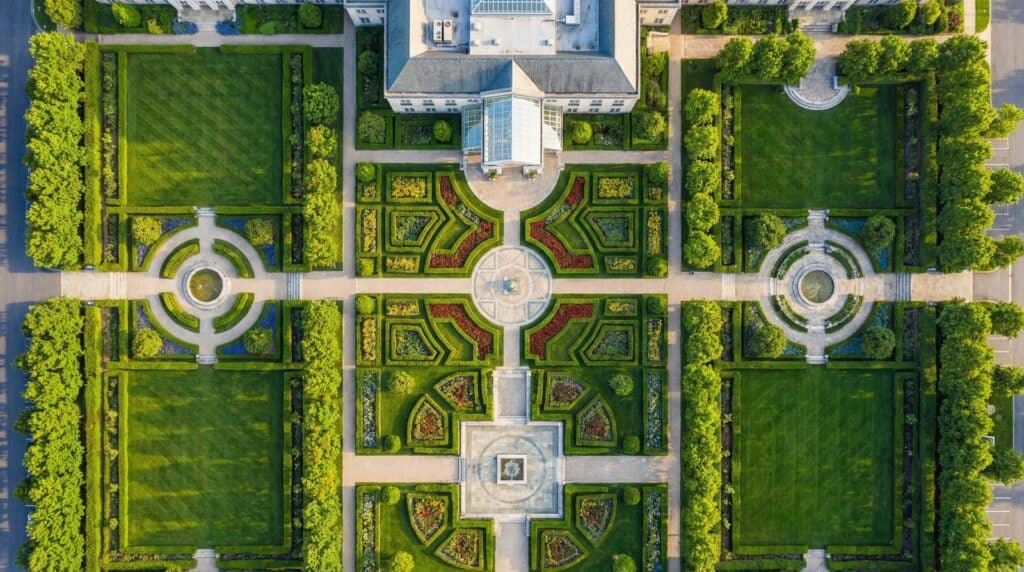
Traditional asphalt and concrete shed 100% of rainfall as runoff. Permeable pavers and permeable concrete absorb rainfall and allow water to infiltrate through the surface into a stone base below, where it filters naturally or drains into a system.
Gras Lawn installs permeable pavers on overflow parking areas, loading zones, equipment pads, and walkways. Permeable surfaces look identical to traditional pavement but reduce stormwater runoff by 90%. They also reduce surface temperature, lowering the heat island effect around your building and reducing cooling costs. In Florida, where concrete can reach 140+ degrees on sunny days, permeable surfaces create cooler hardscape zones.
Dry Wells and French Drains for Foundation Protection
Some Florida properties have poor soil drainage due to clay layers or hardpan. In these cases, Gras Lawn installs dry wells or french drains to move water away from building foundations. A dry well is an underground pit filled with gravel and stone that captures water from downspouts, foundation drainage, or surface drainage. French drains work similarly but use a perforated pipe wrapped in landscape fabric and gravel.
Gras Lawn sizes dry wells and french drains based on your property’s square footage and local rainfall data. A typical commercial building in Deerfield Beach or Tampa may need a 4-6 foot diameter dry well to handle a 2-year storm event.
Native Plants and Naturalized Landscaping for Drainage
The right plants support green infrastructure. Florida native plants are adapted to the state’s climate, require less irrigation, and tolerate periodic wet conditions. Gras Lawn uses natives like muhly grass, saw palmetto, coontie, button bush, spartina grass, and wax myrtle. These plants reduce maintenance compared to imported ornamentals and support your region’s ecosystem.
A well-designed native landscape around a bioretention area or drainage zone creates visual interest while functioning as infrastructure. Your property looks better while managing water more effectively. For more information about commercial landscaping in Florida, contact our team.
Maintenance and Long-Term Performance
Green infrastructure only works if it’s maintained. Gras Lawn provides ongoing maintenance for drainage systems, including clearing bioretention areas of sediment and debris, replanting or refreshing vegetation, checking underdrain systems for clogs, repairing permeable surfaces if they become sealed, and seasonal mulch application. Regular maintenance keeps infiltration rates high and prevents system failure.
Frequently Asked Questions
What’s the difference between green infrastructure and traditional drainage?
Traditional drainage moves water off your property quickly via pipes and channels. Green infrastructure lets water infiltrate naturally into soil, reducing runoff and filtering pollutants. Green infrastructure is slower but more sustainable and often cheaper long-term.
How long does it take for a bioretention area to drain after heavy rain?
A properly designed bioretention area drains completely within 24-48 hours in Florida’s sandy soils. If it’s still holding water after 72 hours, the underdrain may need cleaning or the soil may need amendment.
Can I use permeable pavers in parking lots with heavy truck traffic?
Yes. Commercial-grade permeable pavers are designed for heavy vehicles. Gras Lawn installs permeable systems on loading docks and truck parking areas across our service region.
What plants work best in Florida’s wet bioretention areas?
Native plants like muhly grass, button bush, and spartina are ideal. They tolerate occasional wet conditions, require minimal fertilizer, and support local wildlife. Gras Lawn can recommend species suited to your site’s light and soil conditions.
How much does green infrastructure cost?
Bioretention areas cost $8-15 per square foot, including plants and soil. Permeable pavers run $12-20 per square foot. Dry wells cost $3,000-8,000 depending on size. These are comparable to traditional drainage and often cheaper when maintenance savings are factored in over 10-15 years.
Contact Gras Lawn for Sustainable Drainage Solutions
Gras Lawn has designed and installed sustainable drainage systems for commercial properties throughout Florida, New Jersey, Pennsylvania, Connecticut, Delaware, and Maryland. If your Deerfield Beach, Tampa, Miami, or Jacksonville property has drainage issues, contact Gras Lawn for a free site assessment and drainage design proposal.